


The SR-71’s engineering was so advanced that new tools had to be created in order to build the Blackbird
The SR-71 Blackbird collected intelligence in some of the world’s most dangerous environments during its service.
The SR-71 was designed to fly at very high altitudes, very fast speeds, and very high temperatures. In fact, it was the first aircraft built entirely of titanium since the air molecules’ friction against it at Mach 2.6 would have melted a conventional aluminum frame.
There are lots of fascinating details regarding the legendary Blackbird.
Former Blackbird RSO Butch Sheffield would say “Minter,” while pointing to the “L” on the SR-71‘s inlet. Colonel Minter gave the order to identify each SR-71 in the inventory so that it would be obvious which was the left or right.
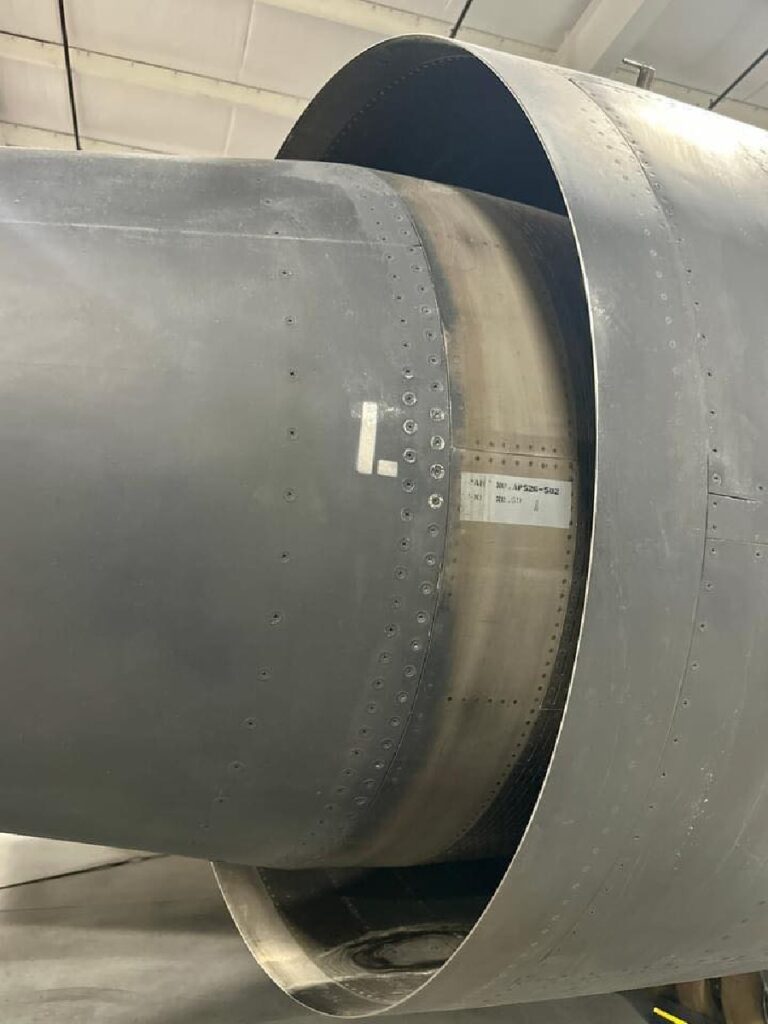
An accident occurred on SR-71 #964 early in the Blackbird program; the engines suffered damage from being placed in the incorrect inlet. Floyd Jones, a former crew chief, provides additional details on the narrative;
‘They will fit, but they are canted outboard instead of inboard. It happened on 964; she flew with no problem until checking the inlet’s major damage on the spikes and center body also FOD the engine.
‘Reason it happened was they did something out of the usual. Both spikes were left on one side of the hangar. Usually, when a spike was removed, it was left on that side of hangar.’

Expert on SR-71 engines John Olp said something about the Blackbird’s cutting-edge engineering that you might not know.
‘The right engine throttle linkage was connected to the afterburner fuel control, and the left engine throttle linkage is connected to the main fuel control!
‘The aircraft throttle linkage was connected to the afterburner fuel control on the left engine and the main fuel control on the right engine (inboard side of the engines).
‘It absolutely did matter because of the two different functions.’
Olp adds further details;
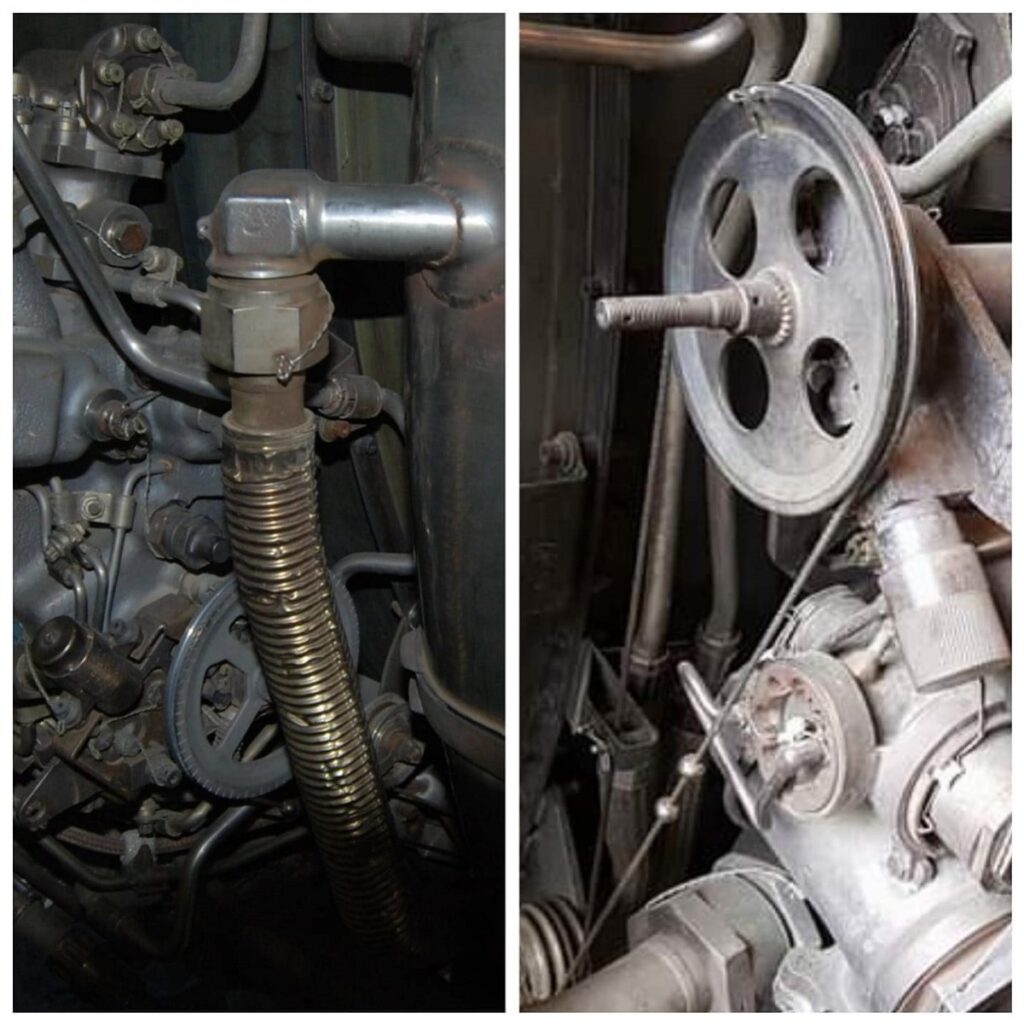
‘The two fuel controls were interconnected by a pulley and cable system in order to be fully synchronized. There was a pulley on each fuel control with a steel braided cable running underneath the engine, around more pulleys, so that, whatever position you set one fuel control at, the other one moved with it!
‘Afterburner fuel control on the right, main fuel control on the left. The aircraft throttles were connected to the threaded portion sticking out of the pulley shaft.’
You will now understand a little history behind the markings on an SR-71 when you approach the inlets and search for the “L” or the “R.” And keep in mind! The primary fuel control is located on the left of the Blackbird, while the afterburner fuel control is located on the right.
Check out the Habubrats SR-71 and Born into the Wilde Blue Yonder Facebook pages for further Blackbird photos and stories.
Photo by William Franklin Cely, Linda Sheffield Miller, John Olp and U.S. Air Force

