

Decades of Heroism: Rescue Operations That Changed Lives
A Legacy of Rescue: From Combat Missions to Final Flight
Two military helicopter rescue operations stand as a testament to the courage and skill of U.S. Air Force rescue squadrons across decades of service.
The Historic Pave Hawk Retirement
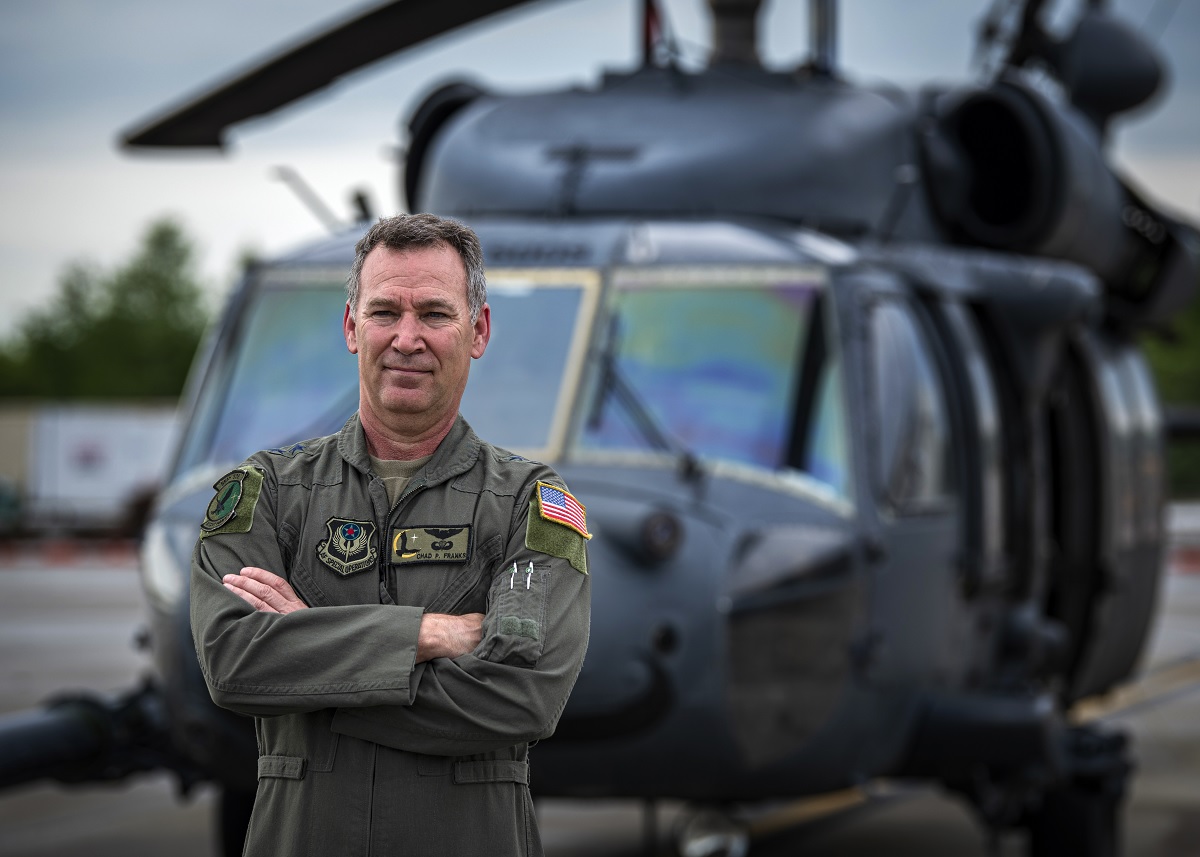
An MH-60G Pave Hawk with tail number 009, piloted by Capt. Tanner Bennett, took off from the 66th Rescue Squadron at Nellis Air Force Base, Nevada, and flew to Pensacola Naval Air Station, Florida, for a ceremonial send-off. As detailed in the article MH-60G Pave Hawk tail number 009 soars one last time, Maj. Gen. Chad P. Franks, Fifteenth Air Force commander, took command of the aircraft at Pensacola and flew the final flight to Hurlburt Field, Florida, where it was displayed at the Hurlburt Field Memorial Air Park.
Franks and 009 shared significant history. During Operation Allied Force in 1999, when Franks was a captain, he piloted the helicopter in combat search and rescue missions. The aircraft participated in the recovery of Lt. Col. Darrell Patrick “Dale” Zelko, who had been shot down in his F-117 Nighthawk over Yugoslavia. Pave Hawks provided continuous combat search and rescue coverage for NATO air forces during this operation and successfully recovered two Air Force pilots isolated behind enemy lines.
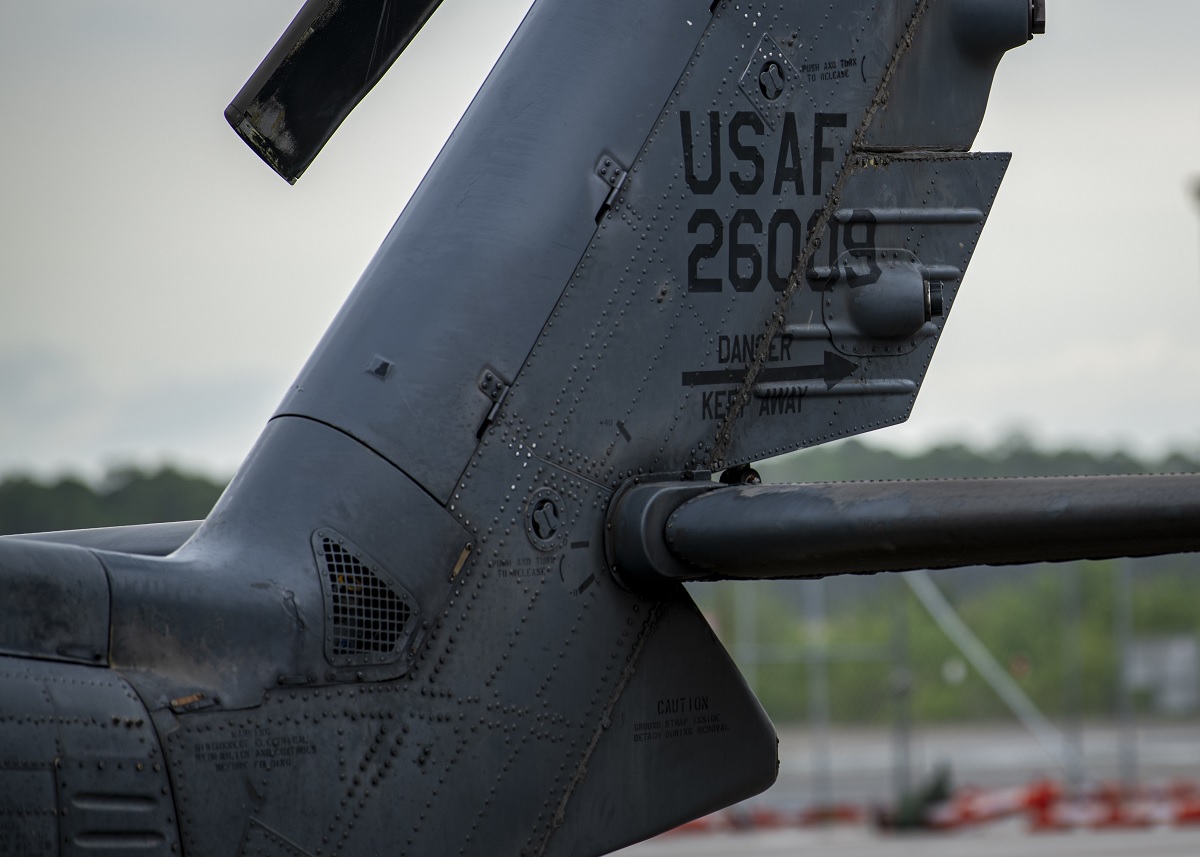
During its 32 years of service, 009 logged 11,000 flight hours and multiple deployments. The aircraft belonged to the 55th Special Operations Squadron at Hurlburt Field, which traced its lineage back to the 55th Air Rescue Squadron, established in 1952. The 55th SOS operated the MH-60G during Operation Just Cause, Desert Shield, Desert Storm, Provide Comfort, Northern Watch, and various other special operations missions.
“This Pave Hawk represents the hard work and accomplishments of the men and women of the 55th Special Operations Squadron who took great care of 009 when I flew it in 99′,” Franks said. “It is an honor for me to fly this retirement flight.”
Maintenance personnel at Nellis AFB worked extensively to ensure the aircraft was flight-ready, and the aircraft’s components were designated to aid future aircraft in accomplishing their missions and saving lives.
The Osprey Rescue at Sea
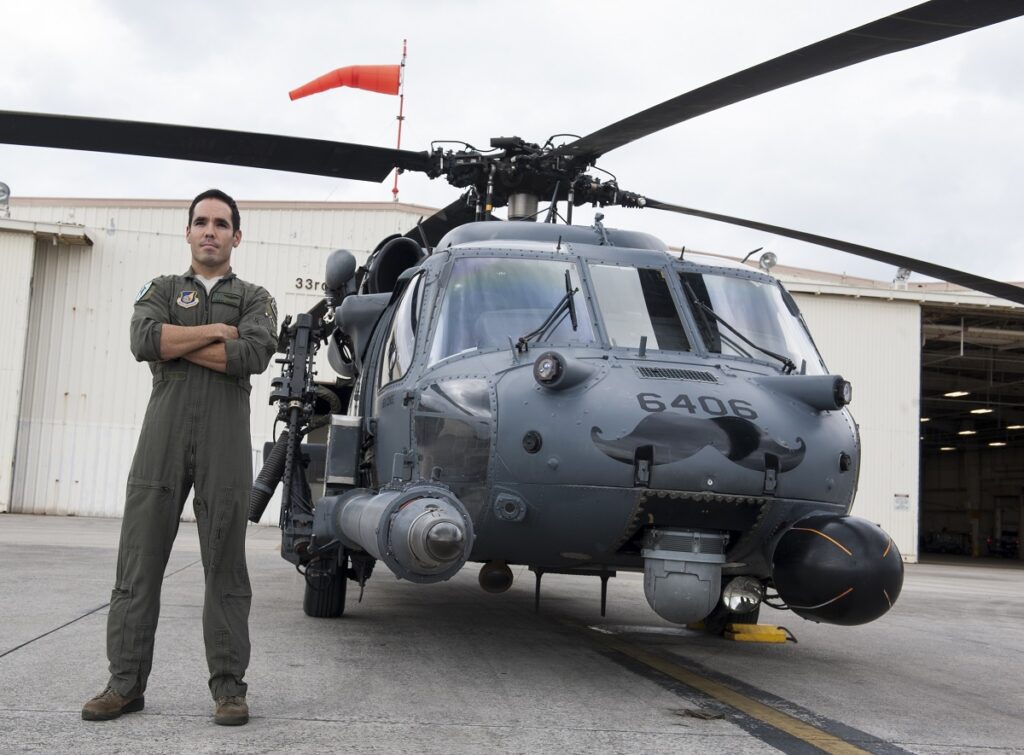
On December 13, 2016, an MV-22 Osprey tilt-rotor aircraft with Marine Aircraft Group 36, 1st Marine Aircraft Wing crash-landed in shallow water 0.6 miles off the coast of Nago in northern Okinawa. Airmen from the 33rd and 31st Rescue Squadron at Kadena Air Base responded immediately, coordinating with the 353rd Special Operations Group, Japan Air Self-Defense Force, and Japan Coast Guard.
Within an hour of the recall notification, rescue squadrons were airborne searching through pitch-black night above the endless Pacific Ocean. Upon locating the aircraft, rescuers discovered it had landed on a shallow reef—a unique environment that presented singular challenges.
“Every situation is going to be different,” said Staff Sgt. Sterling Brisbin, 31st RQS pararescuman. “In this case, it was unique since the MV-22 impacted a shallow reef, so it wasn’t really on land, but it also wasn’t in the ocean. We had to move through the terrain and bring the helicopters in and execute the hoist safely… while at night.”
All five crew members were successfully rescued. Two were transported to Camp Foster Naval Hospital with injuries that stabilized, while three others were released following evaluation.
About the Pave Hawk
The Pave Hawk is a highly modified version of the Army Black Hawk helicopter featuring upgraded communications and navigation systems, including integrated inertial navigation, GPS, and Doppler navigation systems. All Pave Hawks are equipped with automatic flight control systems, night vision capability, forward-looking infrared systems, color weather radar, and engine/rotor blade anti-ice systems for adverse weather operations.
Mission equipment includes a retractable in-flight refueling probe, internal auxiliary fuel tanks, crew-served machine guns, and an 8,000-pound capacity cargo hook. Combat enhancements include radar warning receivers, infrared jammers, and flare/chaff countermeasure systems. The helicopter rescue equipment features a hoist capable of lifting 600-pound loads from hover heights of 200 feet and a personnel locating system compatible with PRC-112 survival radios.

Images by U.S. Air Force

