

The P-3 Orion
Far from the coastline, the P-3 Orion patrols rough, deep seas where the threat of a hidden enemy submarine lurks below the surface. A ten-man crew focuses on the plane’s instrument panels, scopes, and detection devices as they fly an anti-submarine warfare (ASW) search pattern. Part of a distinguished lineage of Navy patrol aircraft, the P-3 Orion runs on four constant-speed turboprop engines, each spinning large 13.5-foot paddle-blade propellers. During low-altitude ASW operations, it is common to shut down two of its engines to conserve fuel and allow for a longer time on station.
Engine shutdown
To extend the duration of its lengthy patrols over both land and sea, the P-3 can fly with one of its four engines turned off. This method enables the aircraft to undertake missions that last more than ten hours. Typically, it is the number one engine—the one located farthest from the fuselage on the left wing—that is shut down. Doing so also helps reduce engine smoke, improving visibility for surveillance through the left rear window.
However, difficulties with restarting an engine after shutdown can occur, as illustrated by the experience of LCDR R.E. Ericson, a P-3 pilot from VP-11. His account was featured in the April 1973 issue of Approach Magazine.
Following a nighttime reconnaissance patrol off the coast of Vietnam, LCDR Ericson—a seasoned patrol pilot with more than 4,500 flight hours—attempted to restart the No. 1 engine, which had previously been shut down to save fuel while in the patrol area. Once ignited, the engine sped up to roughly 70 percent, fluctuated between 60 and 70 percent, and then seemed to stall.
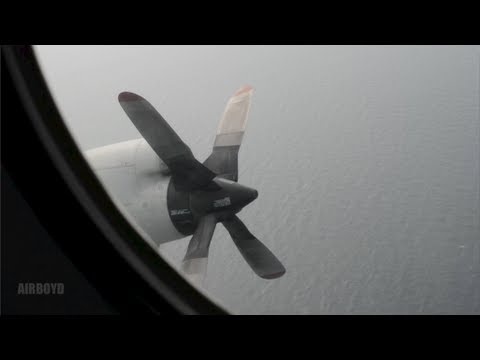
LCDR Ericson decided to feather the propeller and shut down the engine using the emergency handle. When he tried to restart the No. 1 engine again, the same problem occurred, so he once more used the emergency handle to secure it. At this stage, he declared an emergency and set course for NAS Cubi Point, where his squadron, VP-11, was based. Soon after stabilizing the aircraft at 21,000 feet, the fire warning alarm and light for the No. 2 engine activated. The crew quickly shut down No. 2 and worked through the emergency shutdown checklist.
P-3 Orion two-engine landing
LCDR Ericson ordered maximum thrust from engines three and four and managed to stop his descent, leveling the aircraft at 10,000 feet. He then chose to divert to U-Tapao, Thailand, which was much closer than Cubi Point. However, the situation was still challenging. Although the weather conditions at U-Tapao were better than at Cubi, they still required a precision Ground Controlled Approach (GCA) for landing.
Everything proceeded smoothly until the controller instructed a right turn for the approach to runway 36. Despite using full right aileron, full right rudder, and applying 1500 horsepower from the remaining two engines, the Orion refused to turn right. To resolve this, LCDR Ericson briefly reduced the power to 500 horsepower on those engines before increasing it again to stay on the glide slope. The aircraft finally broke out of the clouds at 500 feet, allowing for a safe and uneventful two-engine landing at night.
Through their expertise and outstanding performance, LCDR Ericson and his crew effectively managed a challenging emergency, ensuring the safety of both the valuable aircraft and everyone on board. Excellent work!
Photo by Balon Greyjoy Own work via Wikipedia

