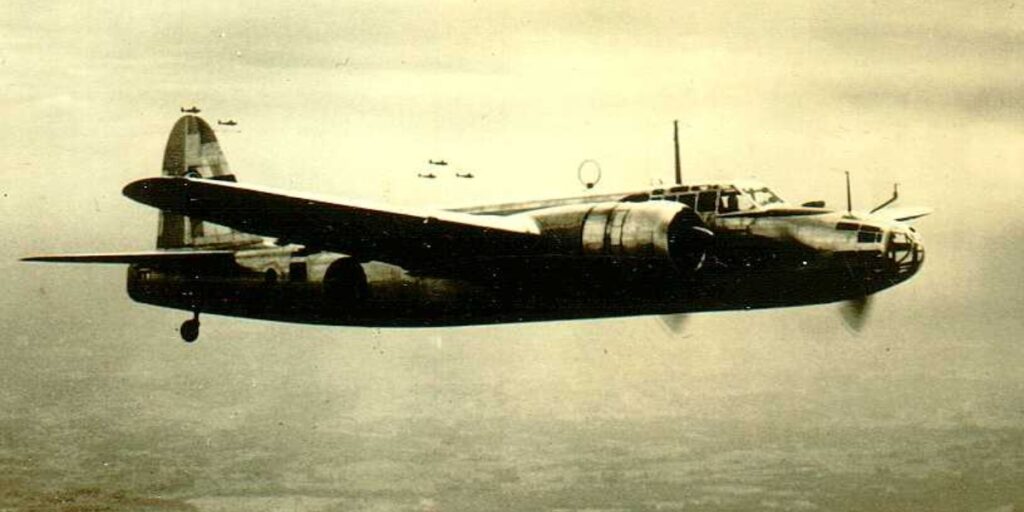
The IJAAF remained convinced that fast attack bombers like the Ki-21, Ki-49, and, eventually, the Ki-67 were the best option, as they could operate closely with advancing infantry units
The Nakajima Ki-49 Donryu (“Dragon Eater”), known to the Allies by the codename “Helen,” was a twin-engine Japanese bomber developed to carry out daylight missions without fighter escort.
Although officially designated the Army Type 100 Heavy Bomber, the Ki-49’s extensive armor and powerful defensive armament added so much weight that its bomb-carrying capacity was comparable to that of smaller medium bombers.
According to George Eleftheriou’s Nakajima Ki-49 ‘Helen’ Units, the aircraft was also plagued by unreliable engines throughout its short operational career. Nakajima’s high-performance powerplants frequently failed to produce their advertised output, and the Ha-41 and Ha-109 were no exceptions. Crews most often criticised their poor reliability and difficult maintenance. In contrast, the Mitsubishi Ha-101 engines fitted to the “Sally” earned widespread praise from both air and ground crews for their dependability and ease of servicing.
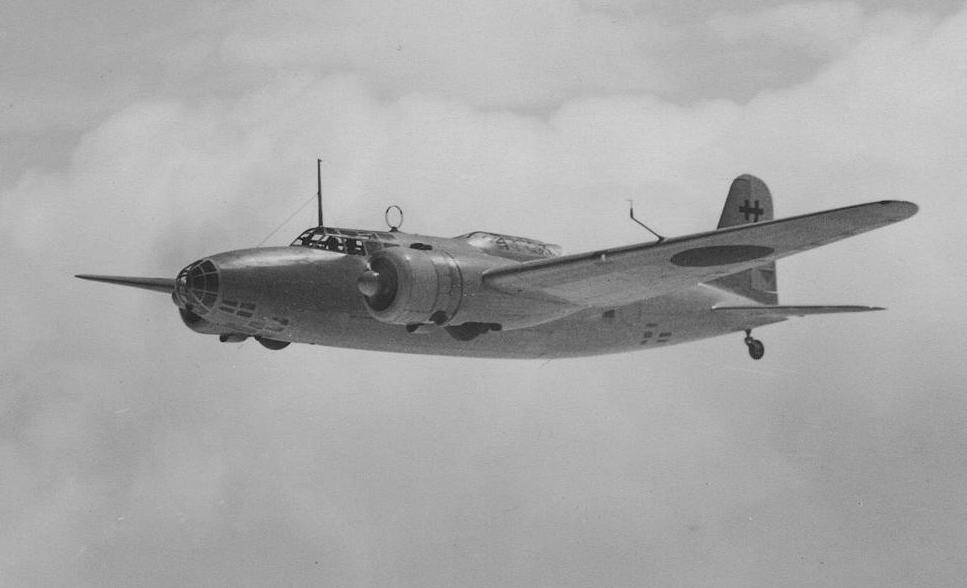
Nakajima had been producing the “Helen” for two years when the Ki-67 began entering frontline service in late 1943, immediately rendering the Ki-49 obsolete. Known to the Allies as “Peggy,” the newer aircraft was Japan’s definitive heavy bomber, featuring more powerful and dependable engines, improved armament, and a higher top speed than even the Ki-49-III then under development could achieve. It was also the only Imperial Japanese Army Air Force (IJAAF) bomber capable of carrying a torpedo for attacks against Allied warships—an increasingly important capability during the final 18 months of the conflict, when “Sally” and “Helen” crews struggled unsuccessfully to sink ships using skip-bombing tactics.
Despite these advances, the Ki-67 still failed to address the fundamental weakness shared by all IJAAF “heavy” bombers: they were not truly heavy enough. The “Sally” and “Helen” could each carry a maximum bombload of 1,000 kg, while the “Peggy” was limited to 800 kg. Japanese planners were aware of the B-17 Flying Fortress and its ability to carry up to 3,600 kg of ordnance, having captured several airworthy examples in the Philippines in 1942 and flight-tested them for at least two years. Even though the jubakutai, or heavy bomber units, urgently needed a comparable four-engine bomber, the IJAAF continued to favour fast attack bombers such as the Ki-21, Ki-49 and, eventually, the Ki-67 because they could operate in close support of advancing infantry.
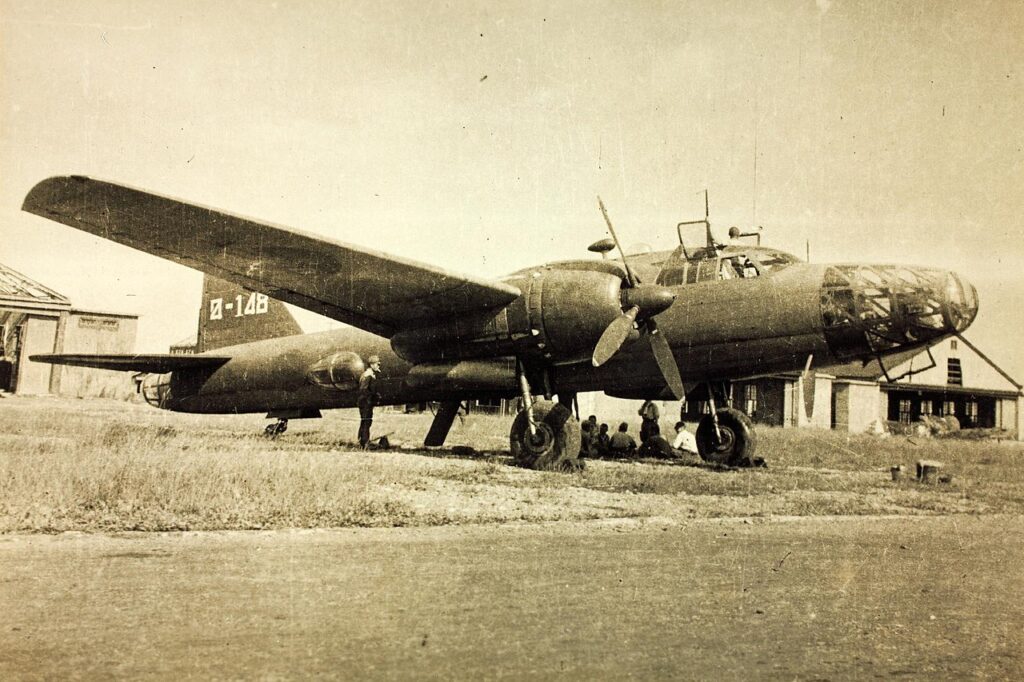
When the IJA’s offensive in New Guinea was halted in late September 1942, the jubakutai were compelled to carry out defensive harassment missions for which they had neither the training nor the numbers to achieve significant results. Throughout the Pacific War, the IJAAF’s senior leadership failed to recognise that the army air force could function as an independent arm, rather than merely supporting ground troops. In short, the IJAAF never embraced the concept of strategic bombing and remained committed to narrowly defined tactical operations—a view that, perhaps unsurprisingly, closely resembled that of the Luftwaffe.
The Japanese high command largely understood the Pacific War as a continuous struggle to seize territory and deny it to the enemy. The Allies, by contrast, pursued the more focused objective of defeating the Japanese Empire and relied heavily on air power to accomplish it. These contrasting strategic outlooks influenced both aircraft design and the use of air forces. While the Allies adapted after their early wartime failures by correcting shortcomings in their aircraft and tactics, the IJAAF responded far too slowly, with ultimately disastrous consequences.
Nakajima Ki-49 ‘Helen’ Units is published by Osprey Publishing and is available to order here.
Photo by Yanagi774, U.S. Air Force, and “Akemi shashinkan” at Chitose-cho Hamamatsu, Shizuoka, Japan, via Wikipedia