

Francis Gary Powers was supposed to have been killed and his aircraft destroyed when he failed to finish his mission. As a result, the U.S. concocted a cover story about an innocent weather plane that had been lost over Turkey
A high-altitude reconnaissance aircraft called the Lockheed U-2 was first introduced in 1957. The first flight of the original U-2A, which Kelly Johnson and the Lockheed Skunk Works built in complete secrecy, took place in August 1955.
Although it is still in use by the U.S. Air Force (USAF) today, the U-2 was a crucial spying instrument controlled by the CIA during the Cold War. The Soviet Union, Cuba, Vietnam, and China were among the targets of intelligence gathering.
As explained by Senior Airman Sean D. Smith, Minot Air Force Base Public Affairs in his article Let’s Learn about the Cold War: Part 12 – The 1960 U-2 Incident, the U-2 could offer surveillance in any weather, and its high operational altitude made it challenging to intercept with fighters
During the Cold War, pictures taken by U-2 aircraft gave the West essential intelligence. The president and other U.S. decision-makers received crucial intelligence about Soviet military capability during the first flights over the Soviet Union in the late 1950s.
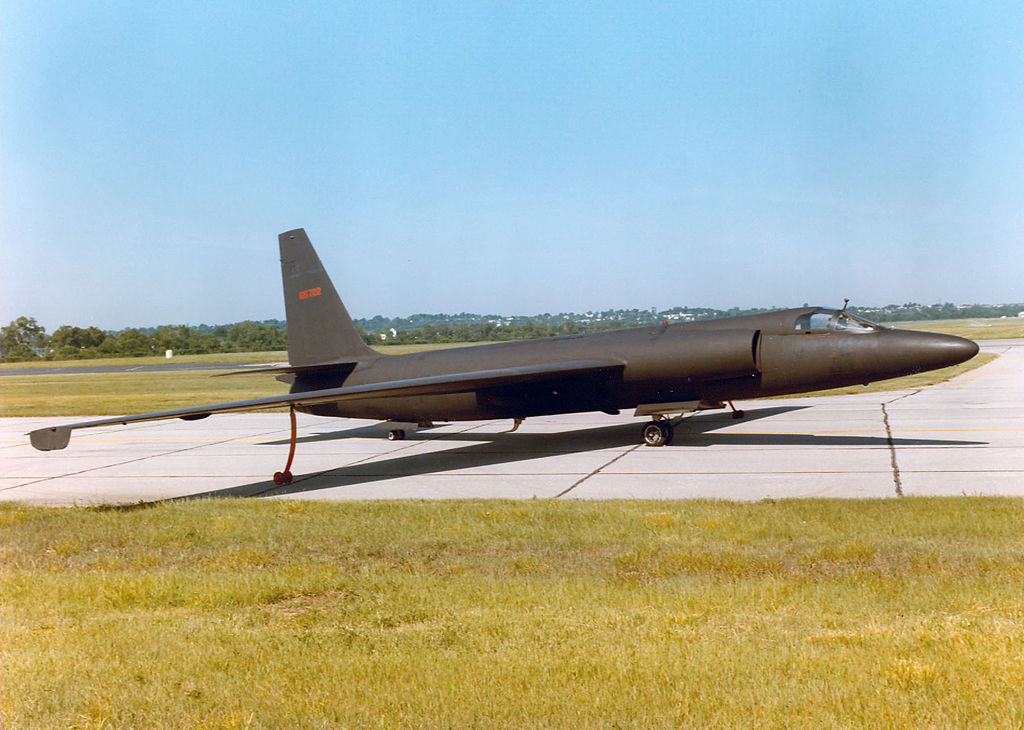
On May 1, 1960, an S-75 Dvina (NATO reporting name SA-2 “Guideline”) surface-to-air missile (SAM) shot down a U-2 spy plane being piloted by CIA civilian Francis Gary Powers over the Soviet Union on a mission to photograph top-secret Soviet sites. Indeed, fourteen SA-2s were purportedly launched at his U-2 by the Soviets. Even though none of the missiles hit Powers’ aircraft, one of them exploded behind the U-2 and caused a shock that damaged the delicate plane. In addition, the Soviets accidentally shot down one of their own MiG-19 fighters during the conflict, killing the pilot.
This could have been catastrophic since, throughout the Cold War, espionage was prioritized in order to prevent overt acts of aggression between the US and the Ussr.
The report of an innocent weather plane lost over Turkey was used by the Eisenhower administration as a cover story for the incident after Powers failed to finish his mission, leading the United States to believe he had been killed and his plane destroyed.
Francis Gary Powers, the U-2’s CIA pilot, had been captured by the Soviet Union and had survived the crash without America’s knowledge. Even worse, a large portion of his plane, including secret equipment, was intact.
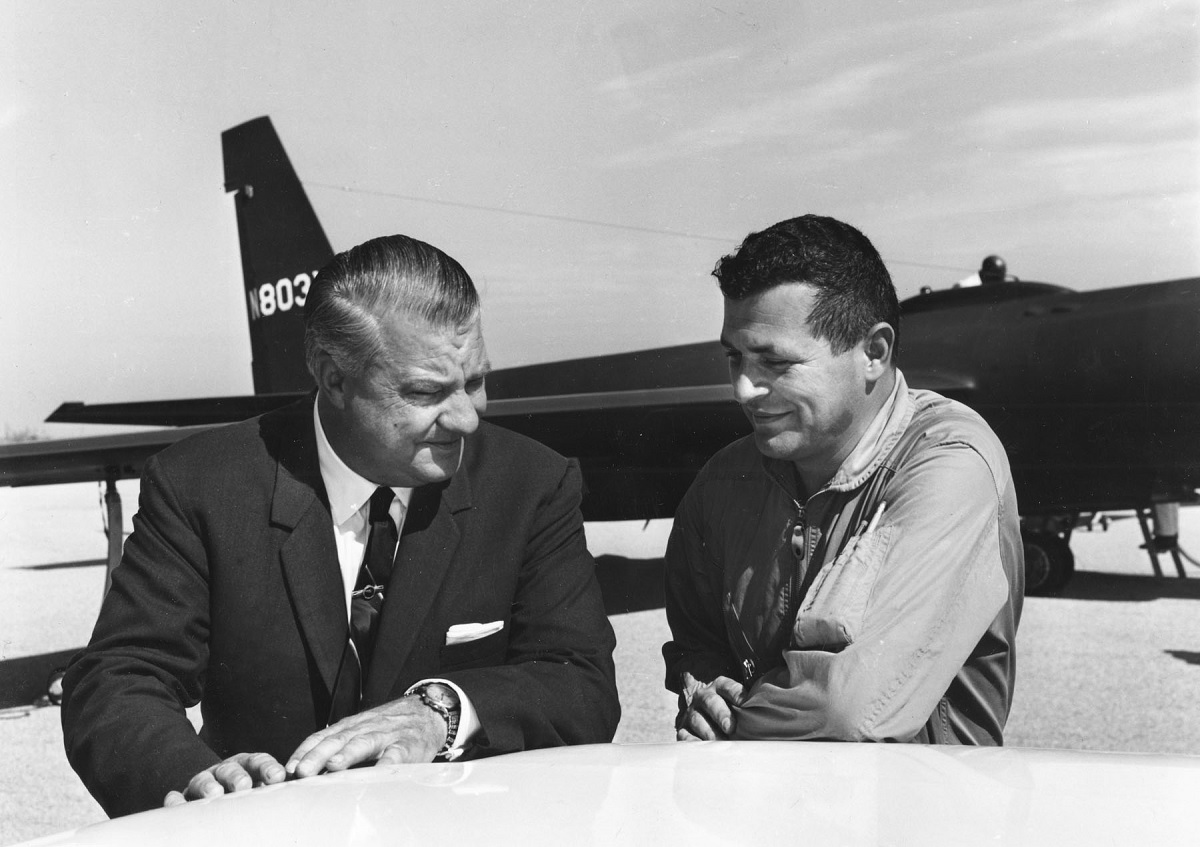
Smith claimed that the Soviets were aware of the spy they had captured and that the United States was lying about it. The U-2 incident also happened right before the Four Powers Summit, which was to be attended by American President Dwight D. Eisenhower, Soviet Premier Nikita Khrushchev, French President Charles de Gaulle, and British Prime Minister Harold Macmillan.
Eisenhower and Khrushchev had been getting along before the U-2 incident, and this meeting—which would have been the first between the presidents of the United States and the Soviet Union in five years—might have helped bring the Cold War to an early conclusion.
Khrushchev held off on revealing that Powers was still alive in order to enhance America’s humiliation, however, he drew his punches by blaming the CIA more so than the Eisenhower government for the tragedy.
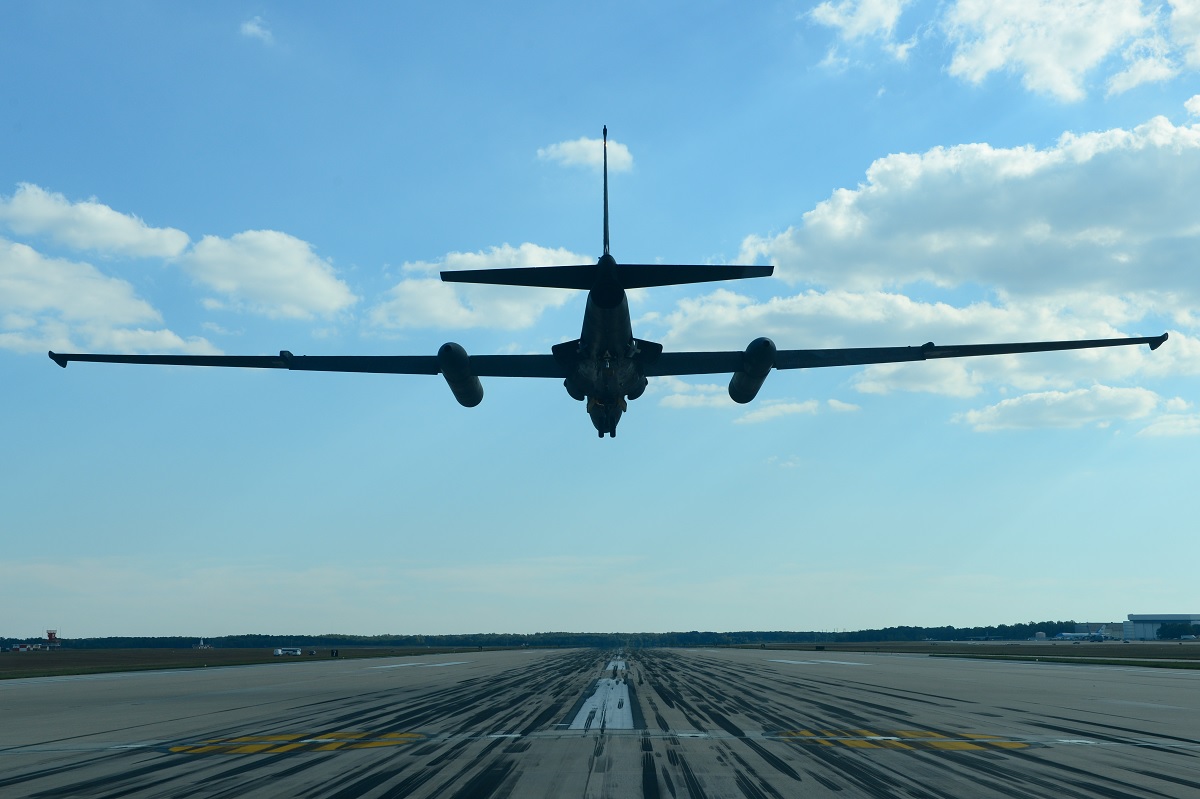
The Cold War continued, there was ongoing tension between the US and Ussr, and the Four Powers Summit failed as a result of the tension brought on by the U-2 incident.
After serving less than two years of his sentence before being brought back to the United States in exchange for a Soviet spy named Rudolf Abel, Powers was convicted of espionage in the USSR and sentenced to three years in jail and seven years of hard labor.
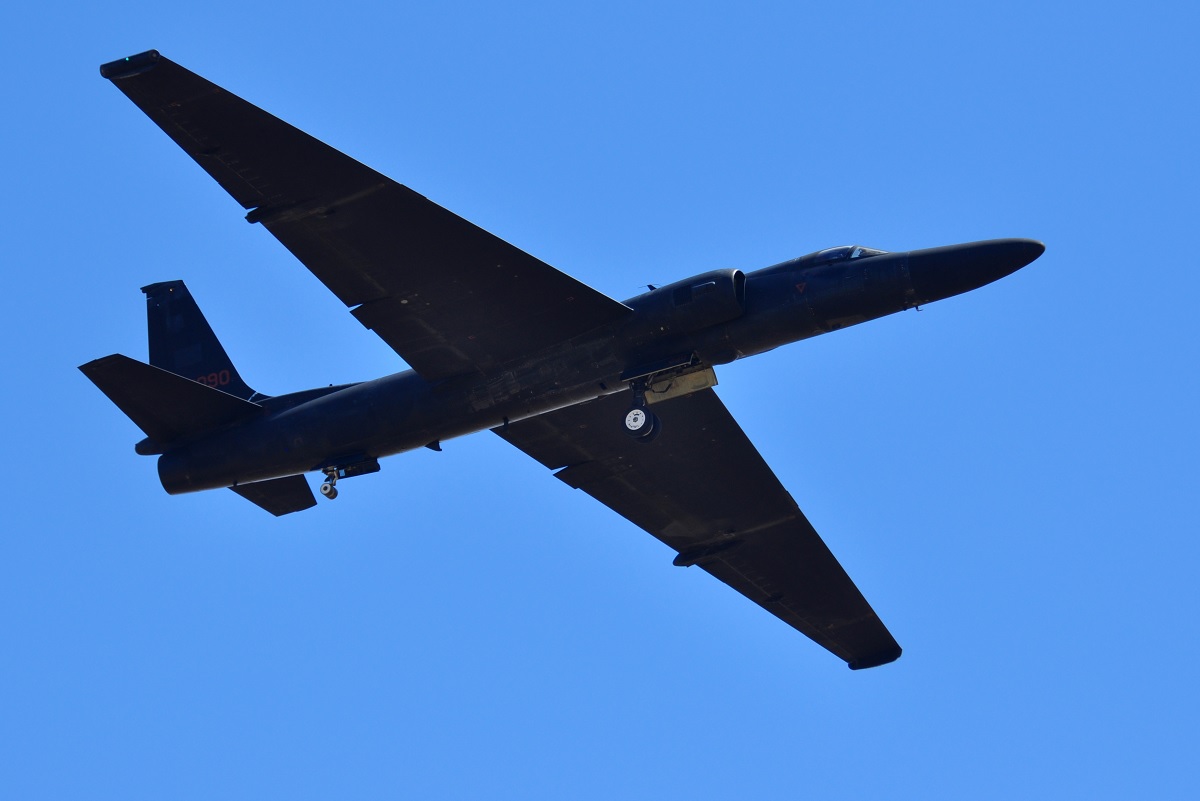
The U-2 nevertheless continued to offer high-altitude, all-weather surveillance and reconnaissance, day or night, in direct support of American and allied forces, even after the accident. The U-2 captured images of the Soviet Union’s offensive nuclear missile buildup in Cuba in October 1962, which sparked the Cuban Missile Crisis. The U-2 has recently supplied intelligence for operations in Korea, the Balkans, Afghanistan, and Iraq. In addition, the U-2 offers peacetime reconnaissance upon request to support search and rescue operations as well as disaster relief from floods, earthquakes, and forest fires.
The Powers Incident’s key details are highlighted in the video below.
Additional source: U.S. Air Force and National Museum of the U.S. Air Force
Top Image: From the Powers Family Collection
Photo by Senior Airman Bobby Cummings and Staff Sgt. Robert M. Trujillo / U.S. Air Force

